
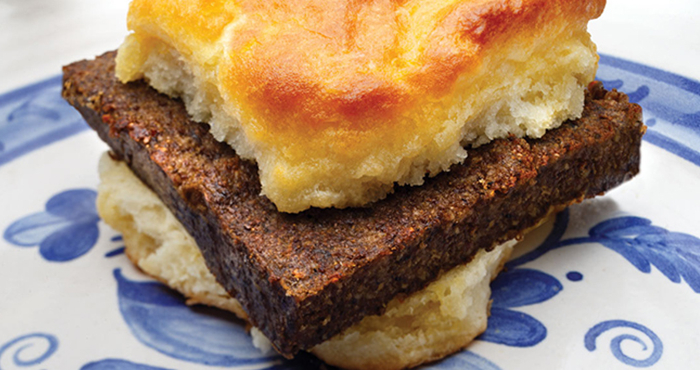
When you think of Southern food, you probably envision barbecue, crispy fried chicken, or a plate of buttery biscuits ready for battle with gravy. But it’s time to talk about the black sheep of the table: liver mush. Yes, liver mush – where the name alone is enough to make you question all your life choices. But stick with me here, because this underdog dish has a story as rich as the seasoning that goes into it.
Liver what? Liver Mush? Could you really ever have come up with a less appealing name for a food? This food with deep cultural roots was a food that sustained people in rural communities during the toughest of times and has gone on to become a staple in the food traditions of those that grew up with it or have come to love it.
Now if you’re asking, "what exactly is liver mush?" Well, that’s where it gets interesting. Some places have farm-to-table, let’s just say, liver mush is nose-to-tail. It’s a combination of pig parts, pork liver, seasonings and cornmeal, which of course, can inspire some hesitation. It’s boiled together until it has time for all the flavors to meld together into the savory, rich food known as liver mush. It’s refrigerated into small blocks and can be eaten cold or fried up and eaten crispy.
And when you smell it cooking, man, does it smell good. Some people describe it as a low-fat sausage with more of texture of a spread, it’s seasoned generously with sage, black pepper and other seasonings and can be paired with just about anything. You’ll find that liver mush goes beautifully with grits, served up with buttery biscuits and topped with a lusciously rich grape jelly. Others eat it as a breakfast meat with eggs. A local favorite is pairing it with a biscuit and slathering it with mustard for a tangy and rich flavor.
Rooted in a deep history of the region through the generations, liver mush can trace its history back all the way to the first settlers who took on the unknown by moving to the area. This is exactly why it’s a staple part of the cuisine in this region and why about 40,000 pounds of liver mush are sold on a weekly basis.
Mack and Jenkins Foods are the mush manufacturing monarchs around these parts, and they can trace their connection to liver mush all the way back to the frontier days where German settlers brought traditions for similar products as they moved from up North into the South – scrapple in the Pennsylvania region is closely related. Through the years, these recipes were changed to fit the needs of the people, especially during the Great Depression, when resources were limited. Utilizing as much meat from the pig as possible and adding flour and cornmeal as filler allowed for an economical way to get your fill.
But it’s not just about taste or tradition; liver mush represents a unique resilience, a recipe shaped by resourcefulness and passed down like a well-kept secret. Wander through Cleveland County, and you’ll see locals championing liver mush with an almost reverent pride, from family gatherings to annual festivals in its honor. Cleveland County’s love for liver mush is a reminder: sometimes, it’s the quirkiest dishes that make a place unforgettable, holding stories of heritage in every savory bite. It may seem strange to you, but that’s only because you haven’t had it inside a biscuit yet.